
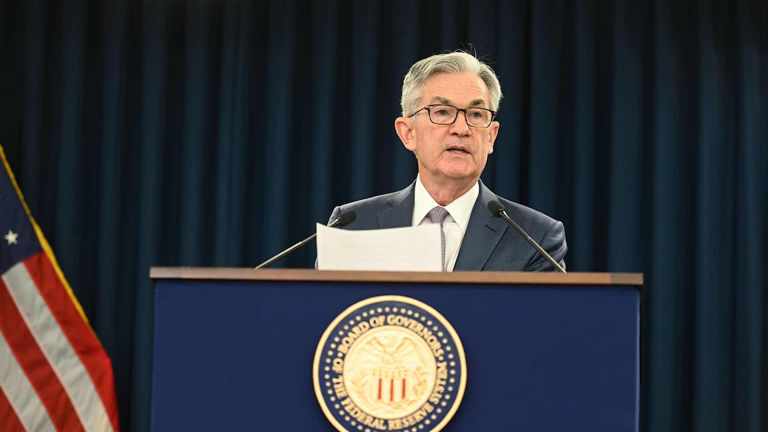
The Federal Reserve is expected to keep interest rates steady at the conclusion of its two-day meeting on Jan. 29, signaling a cautious approach as the economy continues to grapple with high inflation and borrowing costs. Despite President Donald Trump’s recent remarks urging immediate rate cuts, experts say consumers may have to wait longer for meaningful relief. The central bank has taken a gradual approach in recalibrating policy after raising its benchmark rate by 5.25 percentage points between 2022 and 2023 to combat inflation, which remains above the Fed’s 2% target.
On the campaign trail, Trump criticized inflation and high interest rates, claiming they are “destroying our country.” For consumers, the combination of persistent inflation and elevated borrowing costs has added strain to household budgets. “Anyone hoping for the Fed to ride in as the cavalry and rescue you from high interest rates anytime soon is going to be really disappointed,” said Matt Schulz, chief credit analyst at LendingTree. While the Federal funds rate, which governs overnight bank lending, is not the rate consumers pay, its influence extends across borrowing and saving rates.
Credit card holders are among those feeling the impact most directly, as variable-rate cards are closely tied to the Fed’s benchmark. However, card issuers tend to be slower to lower rates after Fed cuts. Currently, the average credit card rate exceeds 20%, near a record high, according to Bankrate. Rising delinquencies and an increase in minimum-only payments highlight the growing financial burden on consumers. Mortgage rates, which are influenced more by Treasury yields and economic trends than by Fed policy, have risen in recent months.
The average rate for a 30-year fixed-rate mortgage is now 7.06%, according to Bankrate, adding to affordability challenges for prospective homebuyers. Most homeowners with fixed-rate mortgages remain unaffected, but high rates continue to suppress home sales. Auto loans, another major area of consumer debt, have seen rates climb alongside rising vehicle prices. The average rate for a five-year new car loan stands at 7.47%, driving auto loan balances to over $1.64 trillion.
Affordability issues in this sector are expected to persist, even if the Fed begins to lower rates gradually in 2025. Federal student loans, which have fixed rates set annually, are also impacted by broader economic conditions. Borrowers for the 2024-25 academic year face rates of 6.53%, up from 5.50% the previous year. Private student loans, which often carry variable rates, have also become more expensive, with costs tied to benchmarks like the prime rate.
In contrast, savers have benefited from the Fed’s rate hikes, with top online savings accounts offering yields of nearly 5%. According to Bankrate’s Greg McBride, these inflation-beating returns provide a silver lining for consumers. As the Federal Reserve signals a pause in rate hikes, financial conditions may stabilize, but significant relief for borrowers will likely depend on broader economic improvements and potential rate cuts later in 2025. – By MENA Newswire News Desk.